
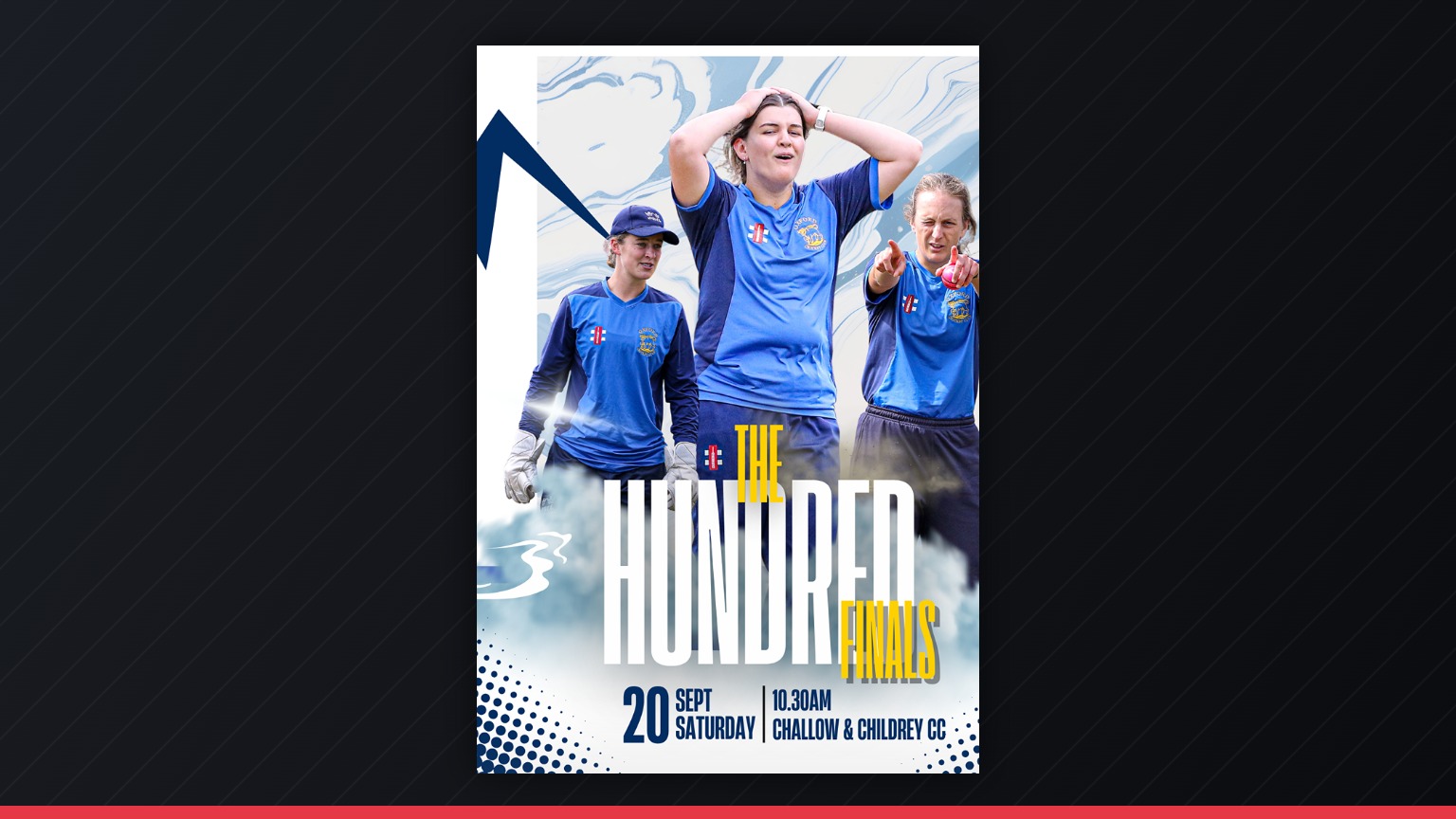

The matchday graphics every club should post are a fixture announcement, the team sheet, live score updates, the final result and a player of the match. Built from one consistent set of templates in the club’s colours, with the badge and sponsor logos in fixed positions, they make any club look professional, keep supporters following through the day and give sponsors visibility every week, whether the sport is football, rugby, cricket or padel.
The core matchday graphics set
A complete matchday follows the story of the day. These are the graphics that do the most work:
- Fixture announcement: opponent, date, time and venue, posted a day or two before
- Team sheet: the starting line-up, posted around an hour before the start, ideally with player photos
- Live updates: half-time, the innings break, set scores or key moments as they happen
- Final result: the score and scorers or top performers, posted as soon as the match ends
- Player of the match: one standout performer, a natural place for a sponsor’s name
- Milestones and signings: debuts, landmark appearances and new arrivals, posted as they come up
Clubs that post this full set every week build a habit in their followers. Supporters start checking the club’s accounts for the team and the score, and that regular attention is what sponsors are paying for.
How to make matchday graphics look professional
Professional graphics come from consistency rather than complexity. Design one template for each graphic type and reuse it all season. Use the club’s colours, badge and one or two fonts throughout, so every post is instantly recognisable in a busy feed.
Good photography makes the biggest single difference. A headshot session at the start of the season gives you clean player images for team sheets and player of the match graphics all year. Keep the text short and large enough to read on a phone, because that is where almost every supporter will see it. Create versions for the main feed and a vertical version for stories, so each graphic fits the format it appears in.
How to work sponsors into matchday graphics
Matchday graphics are one of the most valuable things a club can offer a sponsor, because they appear every week and are seen by the club’s most engaged followers. Build a sponsor slot into the templates from the start rather than squeezing logos in later.
- Name a sponsor on the player of the match graphic, every week
- Reserve a consistent logo strip for the headline sponsor on the team sheet and result
- Offer individual matchday sponsorship with that business featured on the day’s graphics
- Keep a note of the reach each sponsored post achieves, ready for sponsor reports
Restraint matters. A clean graphic with one well-placed logo does more for a sponsor than one crowded with every partner the club has.
How different sports use matchday graphics
The principles are the same across sports, but each has its own natural moments. Football clubs lean on half-time and full-time scores and goal scorers. Rugby clubs feature try scorers, the half-time score and the result. Cricket clubs post the innings break, the target and a scorecard summary. Padel clubs and venues post match and set results, tournament draws and league standings. Build the templates around the moments your supporters care about most.
How to produce them every week without burning out volunteers
Most clubs run their social media on volunteer time, which is why matchday posting often fades by midseason. Templates solve most of it: once the set exists, a weekly update is a matter of swapping names, photos and scores. Keep a shared photo library, agree who posts what on the day and schedule the fixture and team sheet posts in advance.
When the workload outgrows the volunteers, that is the point to bring in help. ETDC Digital Media designed all of the graphics and ran content days for Oxford Cricket Club, and covered the England Over 40s ODI series with short-form content.
Frequently asked questions
Square or portrait formats work best in social media feeds, with a vertical 9:16 version for stories and reels. Designing each template in both shapes means every graphic fits where it is posted.
Any design tool that supports reusable templates will do the job. The template set matters far more than the software, because consistency is what makes a club look professional.
Around an hour before the start works well for most sports. It gives supporters time to see the line-up and builds anticipation before the first live update.
No. Give each sponsor a consistent, clearly agreed slot, such as the player of the match graphic, rather than adding logos to everything. Fewer, cleaner placements are worth more to a sponsor.
Make every matchday count
A consistent set of matchday graphics is one of the simplest ways for a club to look professional, grow its following and give sponsors real value. ETDC Digital Media creates matchday graphics, photography and video as part of its sports social media management and sports content creation services for clubs and leagues in every sport, from cricket and football to rugby and padel.
Further reading: how to get sponsors for a cricket club, and keep them renewing, and how Oxford Cricket Club grew to almost 900,000 views in a season. For matchday content in non-league football, see the Risborough Rangers case study.
